Turkey Cañon Ranch · El. 7,000–8,000 ft
Highlands of Turkey Cañon RanchHomeowner's Association
Colorado'sBest Kept Secret!
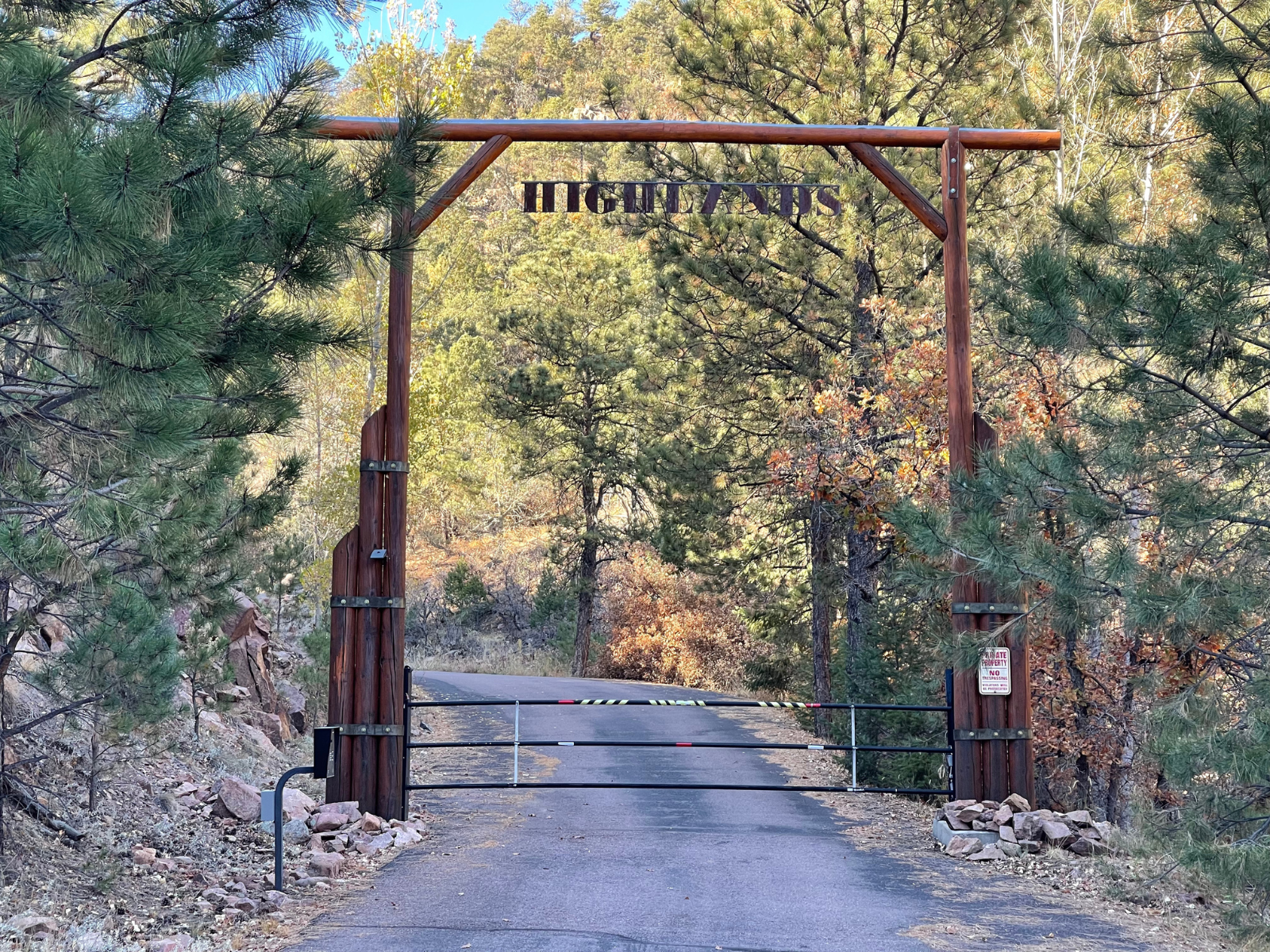
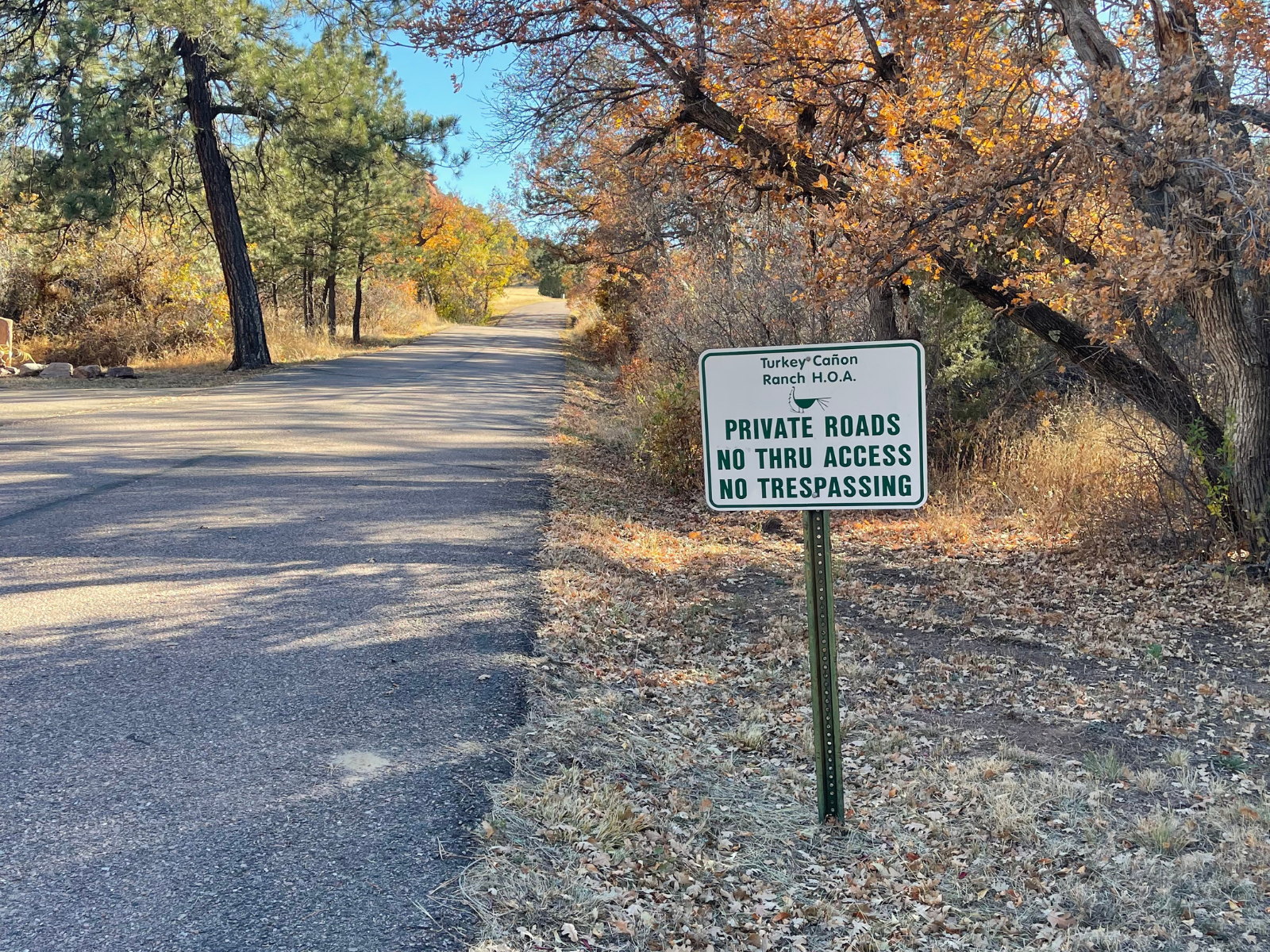
Highlands of Turkey Canon Ranch is a private, gated community located ten miles south of Colorado Springs. The twenty-three executive home sites are located in the front-range Mountains west of Highway 115. All are located between seven and eight thousand feet in altitude. The Ranch is bounded by a National wildlife area to the west and Fort Carson military reservation to the east, assuring that residents will always enjoy unspoiled views of Colorado's finest.
- 35,000
- Acres of National wildlife area
- 1,600
- Acres of Pristine Nature Preserve
- 9.5
- Miles of Hard-Surfaced Roads
- 1990
- The Year First Commercially Developed for Homes
The Best ViewsIn Colorado Springs
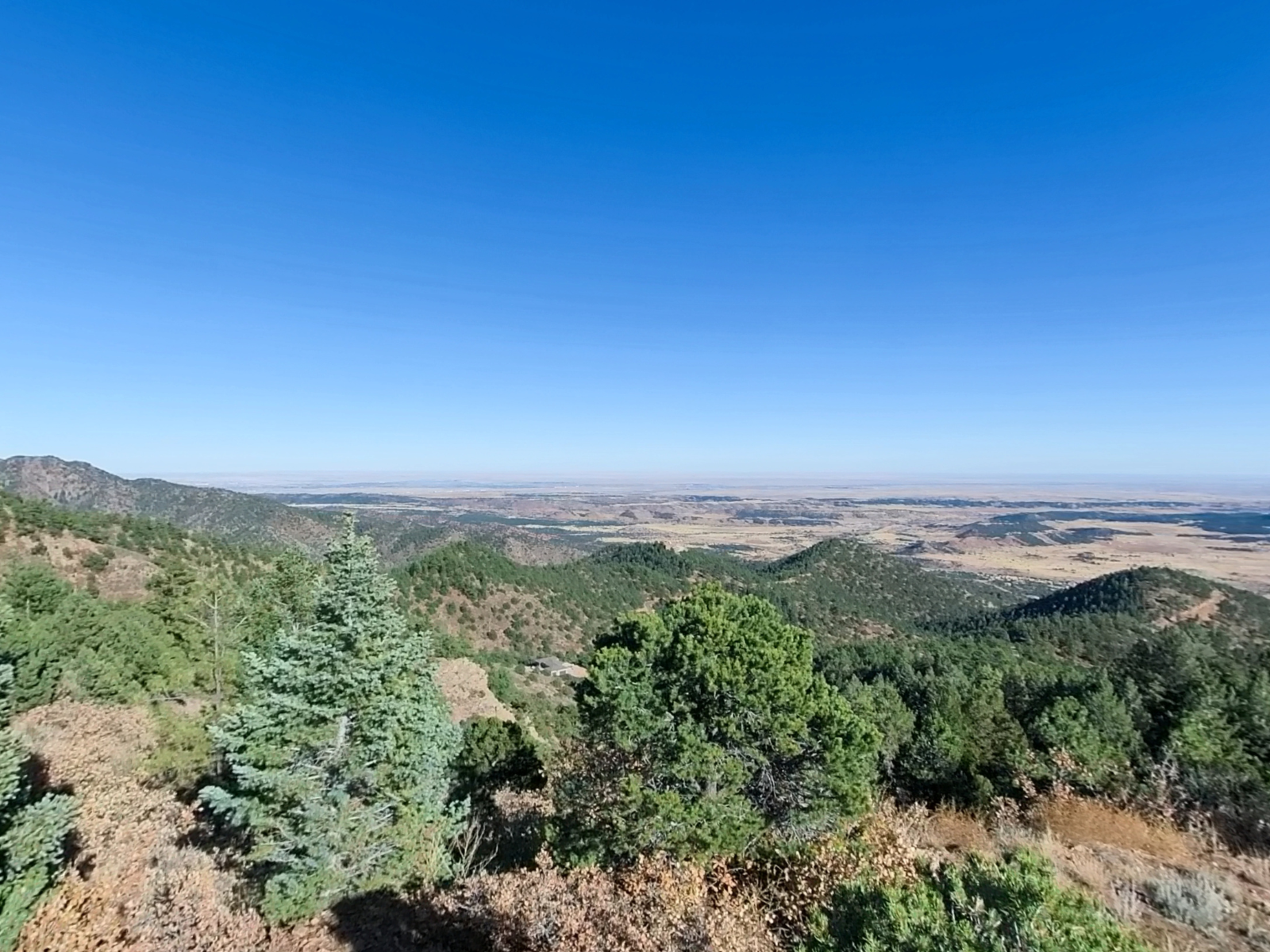
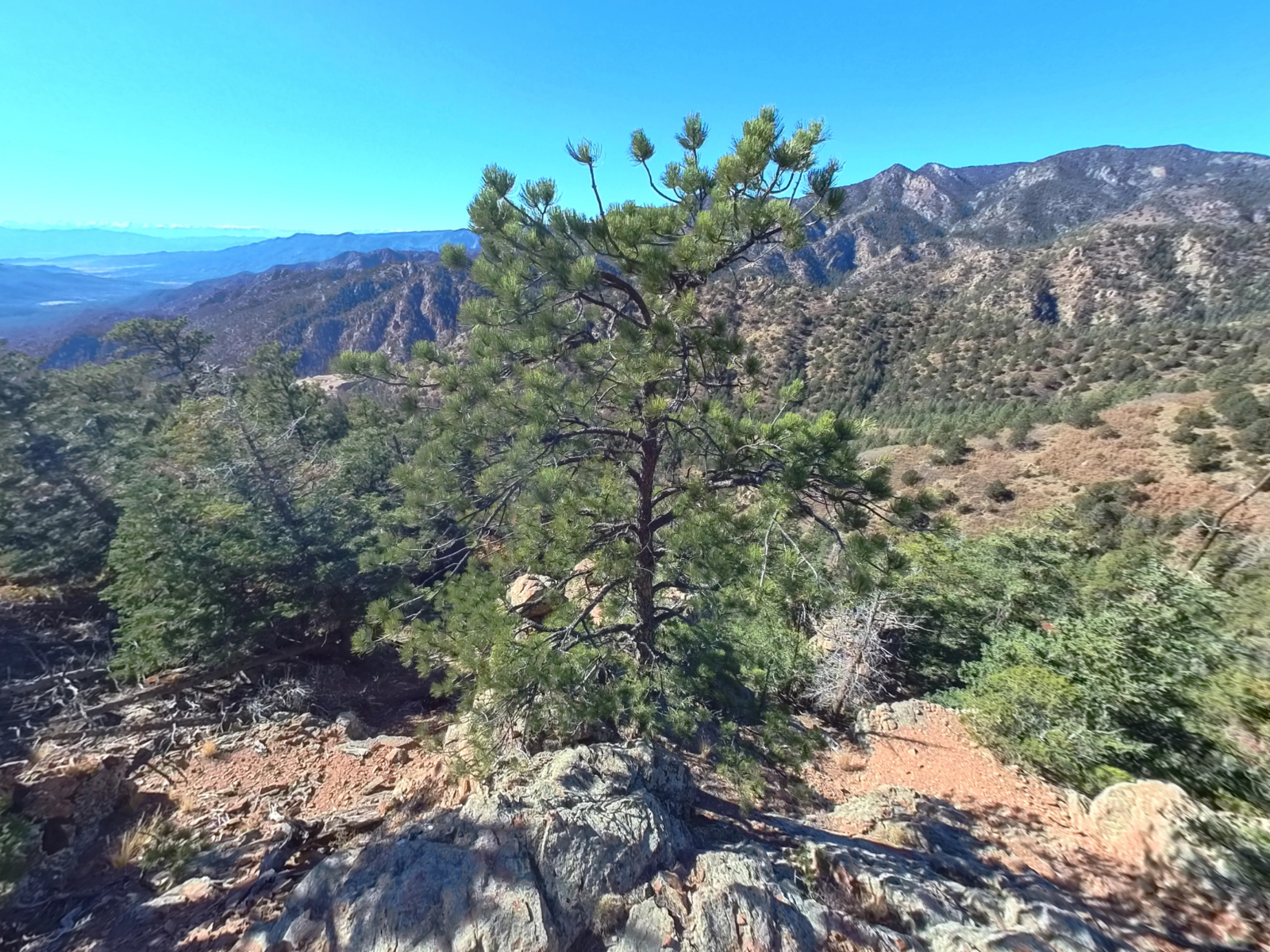
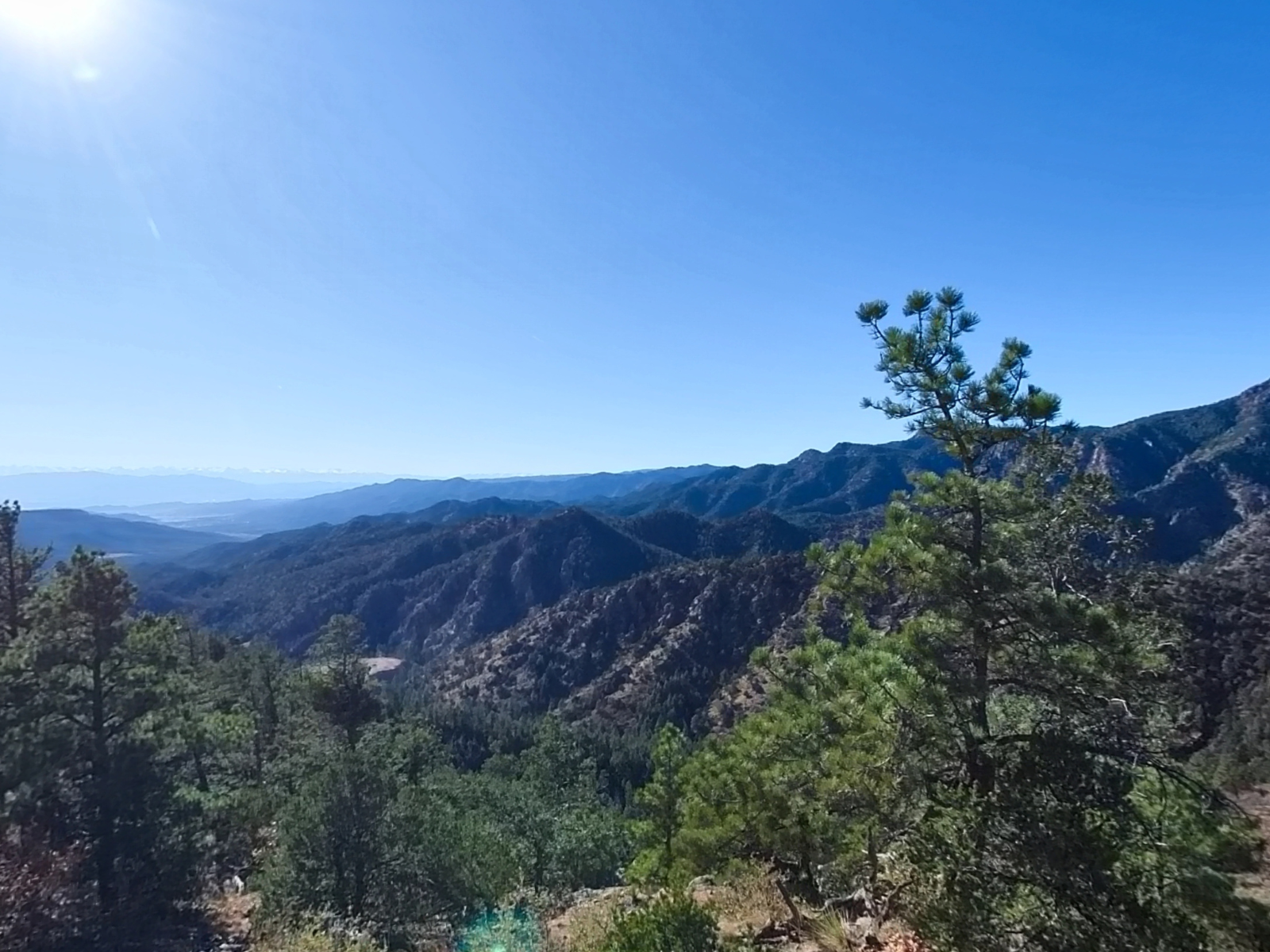
The Highlands provides a sweeping vista of the surrounding areas. Overlooks include city lights from the southern edge of Colorado Springs, the Sangre de Cristo mountain range roughly 100 miles to the south, the Wet Mountains, and the Spanish Peaks.
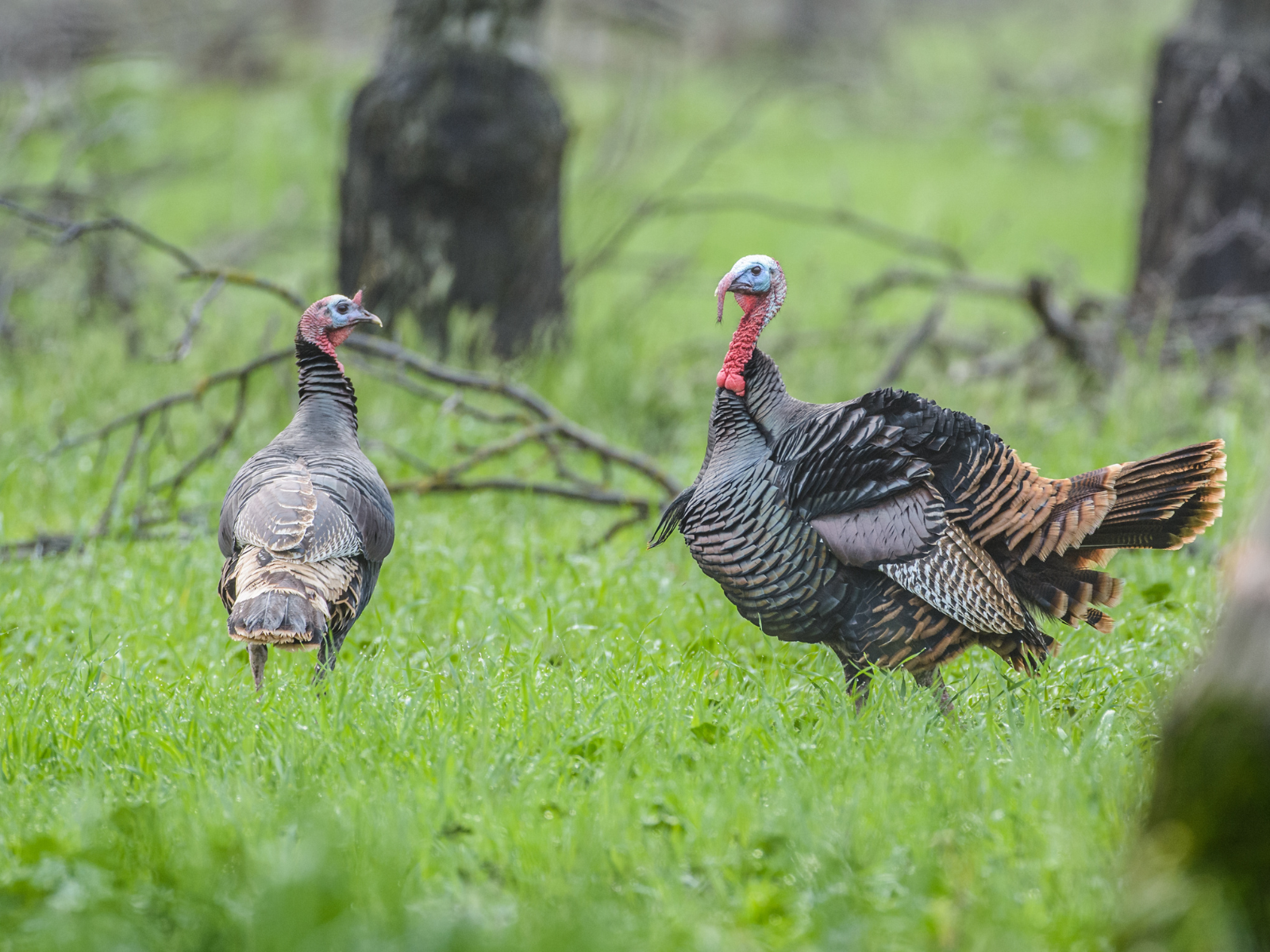
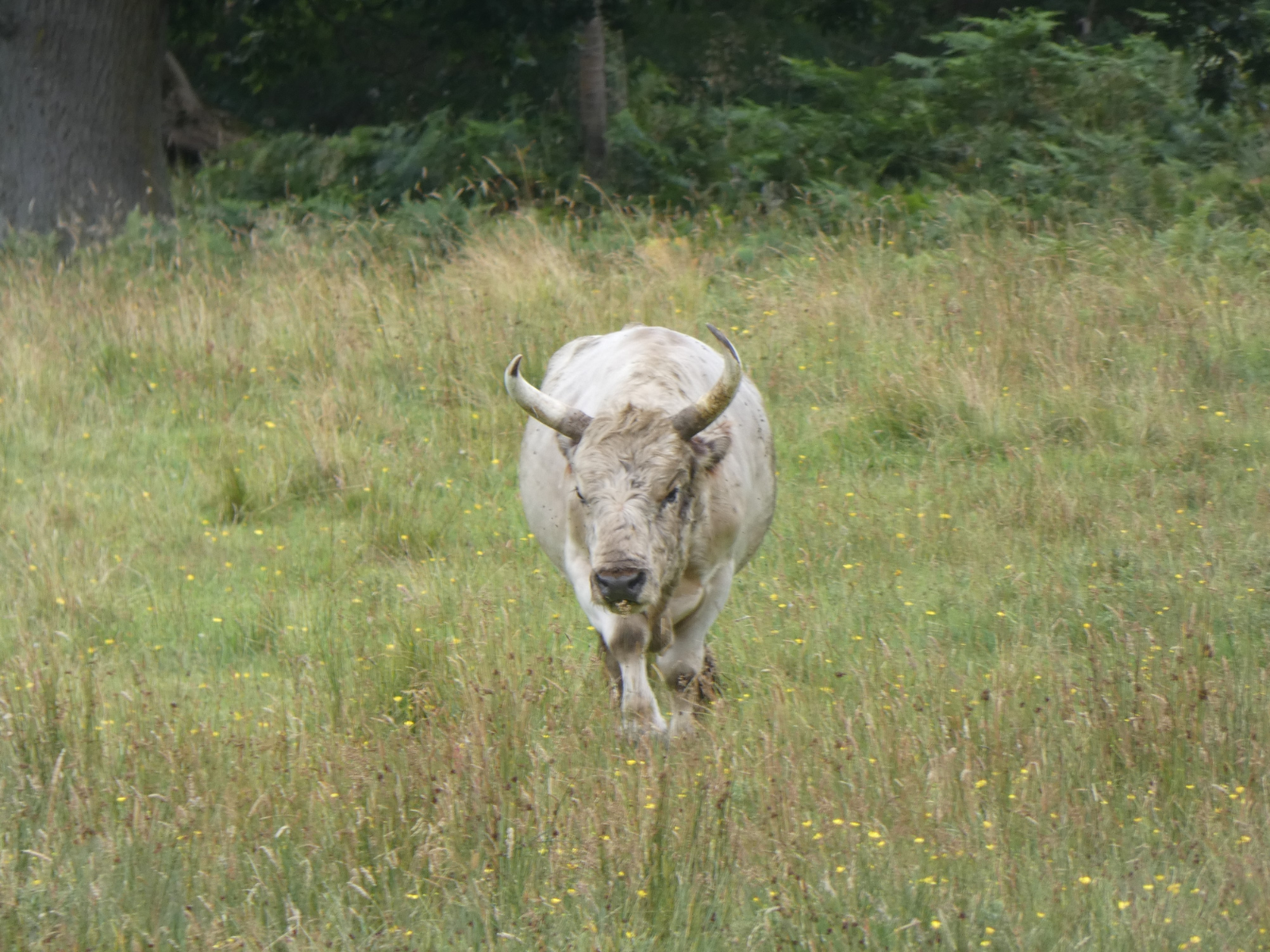
Highlands includes 9.5 miles of hard-surfaced roads that serve each home site. All home sites are 35 to 40 acres in size. Each home site can drill a well for personal use. Water quality is excellent. Animals common to the area include numerous wild turkeys and deer, many varieties of birds, bobcats and the occasional bear and elk.
The Banana-Beltof Southern Colorado
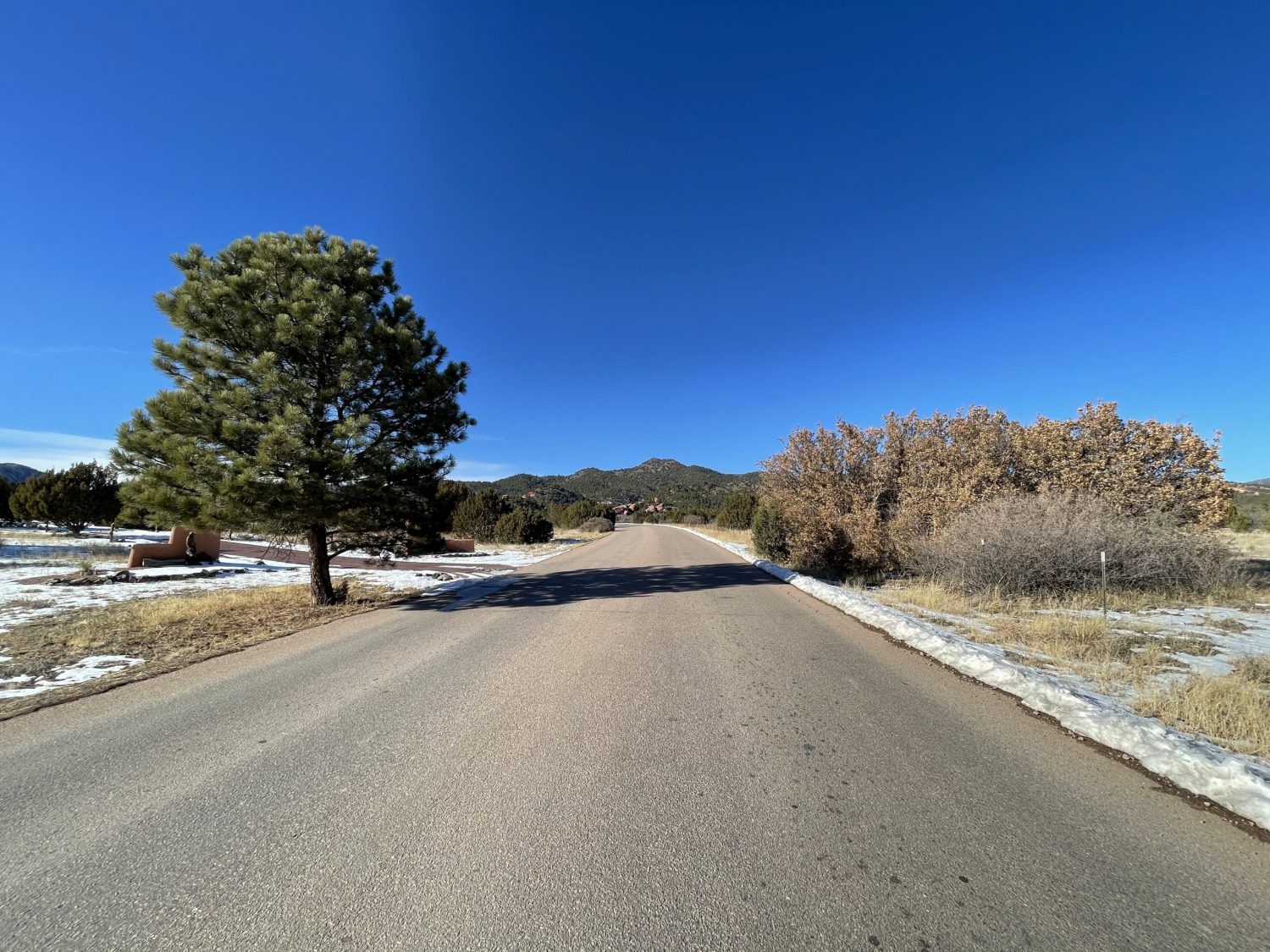
This area is often referred to as the banana-belt of southern Colorado because of its mild temperatures in the summer and winter and earlier springs and later falls than Colorado Springs and other areas to the north. Summer temperatures typically top out in the eighties and winters rarely bring significant snowfall.
Land within the Highlands was a part of Spencer Penroses original ranch and week-end getaway organized in the early 1900s. When the Ranch property was first commercially developed for homes in the 1990s, wild cattle were still occasionally found roaming the hills in the Ranch. Access to over 35,000 acres of National wildlife area including Beaver Creek and Phantom Canyon is available to residents through a private access point off the back of the Ranch. Dilapidated cabins from decades ago, a year-round stream with a secret waterfall and miles upon miles of hiking are available to residents of the Ranch
The Highlands Amenities
- Mild temperatures in the summer and winter
- Access to National Wildlife Area
- Historical Dilapidated Cabins
- Secret Waterfall Access
- Miles Upon Miles of Hiking
- Pristine Nature Preserve
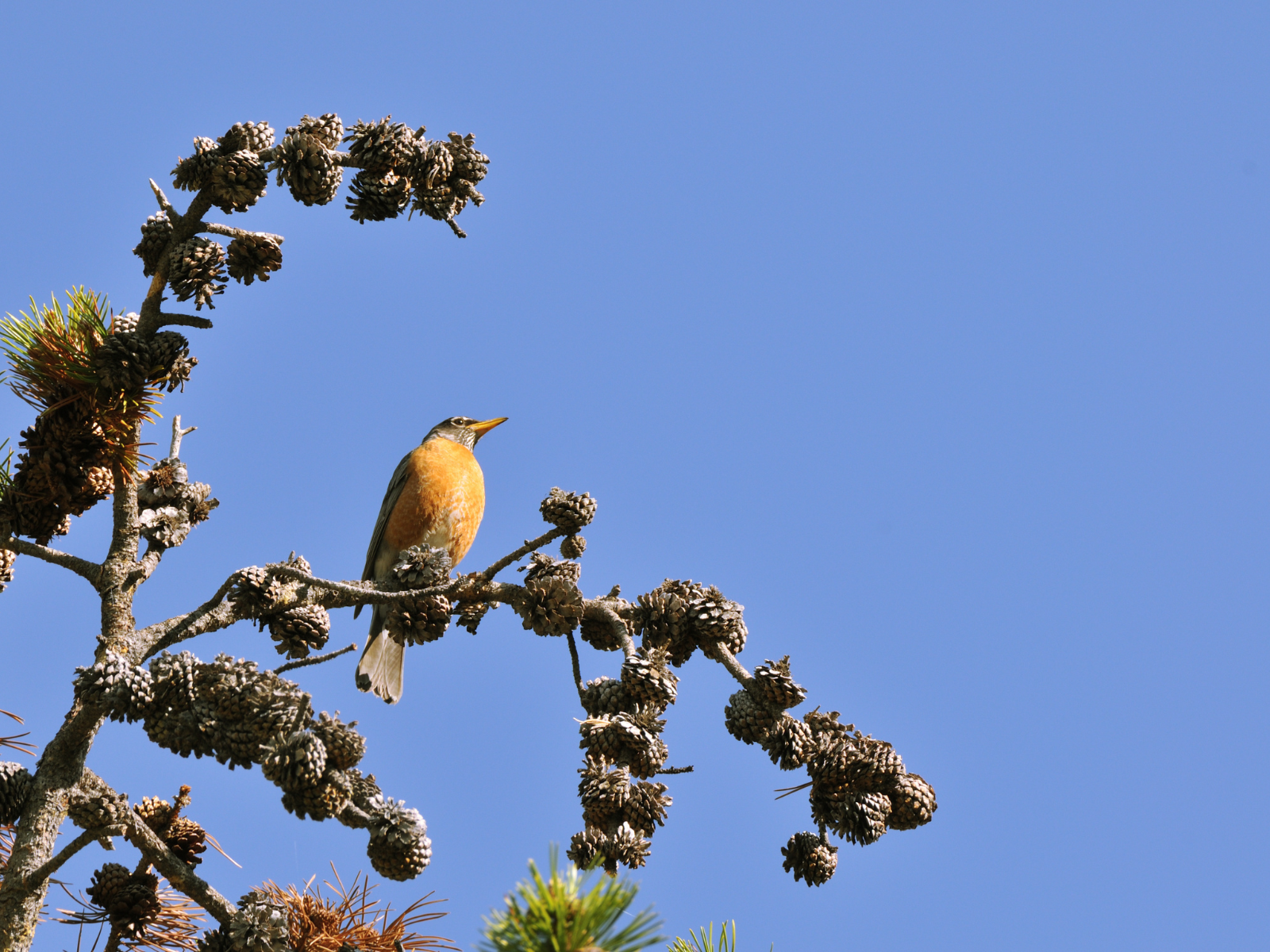
- Over 100 Species of Birds
- Enjoy Unspoiled Views of Colorados
- Sangre de Cristo Mountain Range
- 35 to 40 acres Home Sites
- Well for Personal Use
- Water Quality is Excellent
- Animals Common to the Area
- Gated Community
- Overlooks Include City Lights
- Sweeping Vista of the Surrounding Areas
The Nature Conservancy'sAiken Canyon
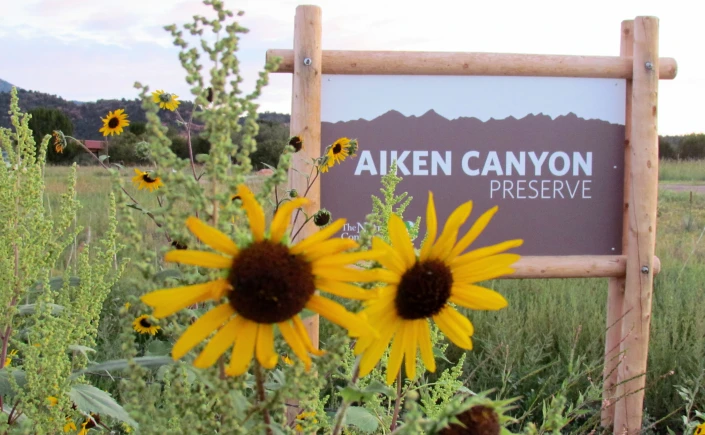
The Nature Conservancy Aiken Canyon, over 1,600 acres of pristine nature preserve also borders the Ranch. Over 100 species of birds were catalogued in the area by Charles Aiken, a U.S. surveyor, taxidermist, and collector in the 1870s. It was named in honor of Charles Edward Howard Aiken (1850-1936), who grew up in Vermont and Chicago. After Chicago's Great Fire of 1871, he relocated to Colorado with his family, where they ran a sheep ranch a few miles south of the future preserve. Charles, a bird collector since a young age, had been apprenticed to a taxidermist in Chicago, and continued this profession in Colorado. As was common in the days before widespread photography and use of binoculars, the sad method to learn about birds was to shoot and stuff them.